


What Does My Dog Dream About? A Complete Guide to Dog Dreams, Nightmares & Sleep
Have you ever wondered what goes on behind those twitching paws and soft midnight barks? Science confirms that your dog's sleep is far more active than it looks. Here's everything you need to know about what does my dog dream about, from the neuroscience behind dogs dreaming to practical tips for better rest.
Key Takeaways
-
Dogs dream during rem sleep, replaying walks, play, scents, and social bonds from their waking hours-science strongly supports that can dogs dream is answered with a definitive yes.
-
What does my dog dream about is mostly familiar daily life: people, pets (even the cat), routines, and emotions stored as dog dreams.
-
Do dogs get bad dreams? Yes. Dogs have nightmares too, often reliving stressful events, fears, or past trauma-what do dogs have nightmares about includes loud noises, vet visits, and scary encounters.
-
What do puppies dream about centers on learning and play, while adult dogs and senior dogs process habits, training, and relationships.
-
Most canine dreams are harmless. Dog twitching, paddling, and soft barks simply mean the dog is dreaming. Good sleep-light sleep, deep sleep, and REM-is vital for health.
Can Dogs Dream? What Science Really Shows
The question do dogs have dreams is backed by decades of neuroscience. Dogs move through light sleep, deep sleep, and REM sleep, and REM is the primary stage for dog dreams. Their brain activity during rem sleep mirrors the same areas that activate in dreaming humans.
In a landmark MIT study, rats ran through mazes during the day, and scientists recorded their brain waves replaying those exact routes during sleep. Dogs spend more time in rem sleep than adult humans do, and similar replay mechanisms are widely accepted among canine researchers. Brain scans and EEGs on sleeping dogs show electrical activity and brain patterns strikingly like our own, proving that dogs dream in much the same way we do.
The brain stem-specifically a structure called the pons-keeps muscles mostly still during REM, preventing a dreaming dog from physically acting out its dreams. This is why you see only gentle twitches rather than full sprints across the living room.
How Dogs Sleep: Light Sleep, Deep Sleep, and REM
A dog's sleep cycle lasts around 20 minutes, cycling through light sleep, deep sleep, and rem sleep far faster than humans. Adult dogs sleep 12–14 hours per day; puppies and senior dogs often need 16–18 hours, giving plenty of time for dog dreams. Dogs spend about 10% of their sleep in REM, while puppies spend proportionally more. Dogs experience both REM and non-REM sleep stages, and brief awakenings between sleep cycles are normal-your dog sleeping may shift, sigh, or reposition before the next dog is dreaming episode begins.
Light Sleep: On the Edge of Awareness
Light sleep is the gateway before the body begins descending into deeper stages. Your dog is relaxed but still somewhat alert-ears may twitch toward sounds, and a door opening can wake them instantly. This is a survival adaptation from wild ancestors. Dog dreaming is very light here; vivid dreams wait for REM.
Deep Sleep: Physical Repair Mode
During deep sleep (also called slow wave sleep or non rapid eye movement sleep), the body restores itself. Breathing is very steady, the body is limp, and dogs are hard to wake. This phase supports immune function, bone repair, and hormone balance rather than canine dreams. Older dogs may linger here longer to recover from joint strain.
REM Sleep: Where Dog Dreams Come Alive
Rapid eye movement rem sleep is where dogs dreaming truly happens-memory consolidation, emotional sorting, and dream content all peak here. Signs that a dog is dreaming include rapid eye movement under closed lids, irregular breathing, paw paddling, tail wags, and soft barks. During REM sleep, dogs may twitch or move their paws as if running.
Smaller dogs tend to enter REM more often but in shorter bursts, while larger breeds have fewer but longer REM episodes. Small dogs dream more frequently than large dogs. During this rem stage, dogs experience replay of training, walks, and social moments-and both happy dog dreams and nightmares can occur.
What Does My Dog Dream About? (And What Do Puppies Dream About?)
So what does my dog dream about? Mostly familiar daily life-people, animals, routines, and emotions. Canine dreams are typically more visual and sensory than abstract, and dogs process daily experiences and emotions while sleeping. Dogs likely dream about their daily activities. What do puppies dream about differs: puppies focus on learning, motor skills, and social bonding, since puppies spend more time in REM sleep than adult dogs.
Daily Adventures: Walks, Chases, and Play
Most dog dreams mirror real-world fun. A beagle might replay a spring walk; a border collie might "herd" sheep again at night. Dogs' understanding of the world is heavily based on their sense of smell, so dreams are likely rich with scent. Leg paddling and excited barks may reflect scenes of chasing tennis balls or exploring trails. Retrievers may dream of fetching tennis balls, herding breeds of rounding up animals.
Familiar Faces and Big Feelings
Dogs are social, so a large part of dog dreams likely features their favorite person and other pets. A dreaming dog might replay greeting you at the door, cuddling, or romping with a dog friend. Emotions-joy, excitement, even mild anxiety-all surface during sleep. Deep bonds with pet owners mean we're probably starring in many of our dog's sweetest dreams.
Learning, Training, and "Practice Runs"
Sleep supports memory consolidation, making dogs dream sessions essential for training. Just as rats ran mazes and replayed them in sleep, dogs likely rehearse "sit," recall, or agility courses. Puppies dream about practicing stairs, leashes, and social cues. Uninterrupted sleep and quality sleep after a big training day produce stronger results the next morning.
Do Dogs Have Bad Dreams and Nightmares?
Do dogs get bad dreams? Yes-dogs can experience nightmares just like humans. Not every dream is pleasant. Dogs may relive stressful experiences during nightmares, including thunderstorms, harsh handling, or dog-park conflicts. Dogs can have nightmares related to negative experiences from waking hours-they don't invent monsters, but they do replay real fears.
Signs Your Dog Might Be Having a Nightmare
Not all movement signals a scary dream. Signs of a nightmare include whining, growling, or flinching-tense, rigid muscles rather than loose twitching; frantic paddling; ears pulled back; rapid breathing. Dogs with trauma histories may have more frequent nightmares. If your dog's episodes are frequent, record patterns and consult your vet.
What Should You Do If Your Dog Is Having a Bad Dream?
It is generally recommended not to wake a dog during a nightmare. Waking a dog from a nightmare can lead to confusion or aggression, even in gentle pets. Instead, softly say their name or tap the floor nearby. Let sleeping dogs lie when possible. Once awake, offer a calm voice, slow petting, water, or a familiar blanket. Seek veterinary help if dogs have nightmares very often.
Do All Dogs Dream the Same Way?
While all dogs dream, the content and pattern vary by size, age, breed, and lifestyle. Smaller dogs dream more frequently than larger dogs, and large dogs have fewer but longer dream episodes. Puppies and older dogs tend to dream more frequently than adults.
Age Differences: Puppies vs Adults vs Seniors
Puppies can spend up to half their sleep in REM, processing nonstop new sights and sounds. Adult dogs settle into balanced sleep patterns with dreaming centered on routines. Senior dogs may have less efficient REM sleep than younger dogs-owners should notice significant changes in sleep as a potential sign of pain or cognitive decline.
Breed and Lifestyle: How Personality Shapes Dreams
Active breeds may dream more vividly than less energetic breeds. Herding dogs may dream of circling livestock; scent hounds of tracking trails. High-energy working dogs show more vivid dreams at night, while lower-energy companions have calmer dog dreams about cuddling and home life. Enriching daytime life leads to richer, happier dreams.
How to Support Healthy Sleep and Better Dreams for Your Dog
Good sleep hygiene improves mood, learning, and reduces frequent bad dream episodes. Supporting smooth transitions through every stage gives the brain time to sort memories. Think of restful sleep as daily care, just like nutrition and exercise.
Create a Calm, Comfortable Sleep Environment
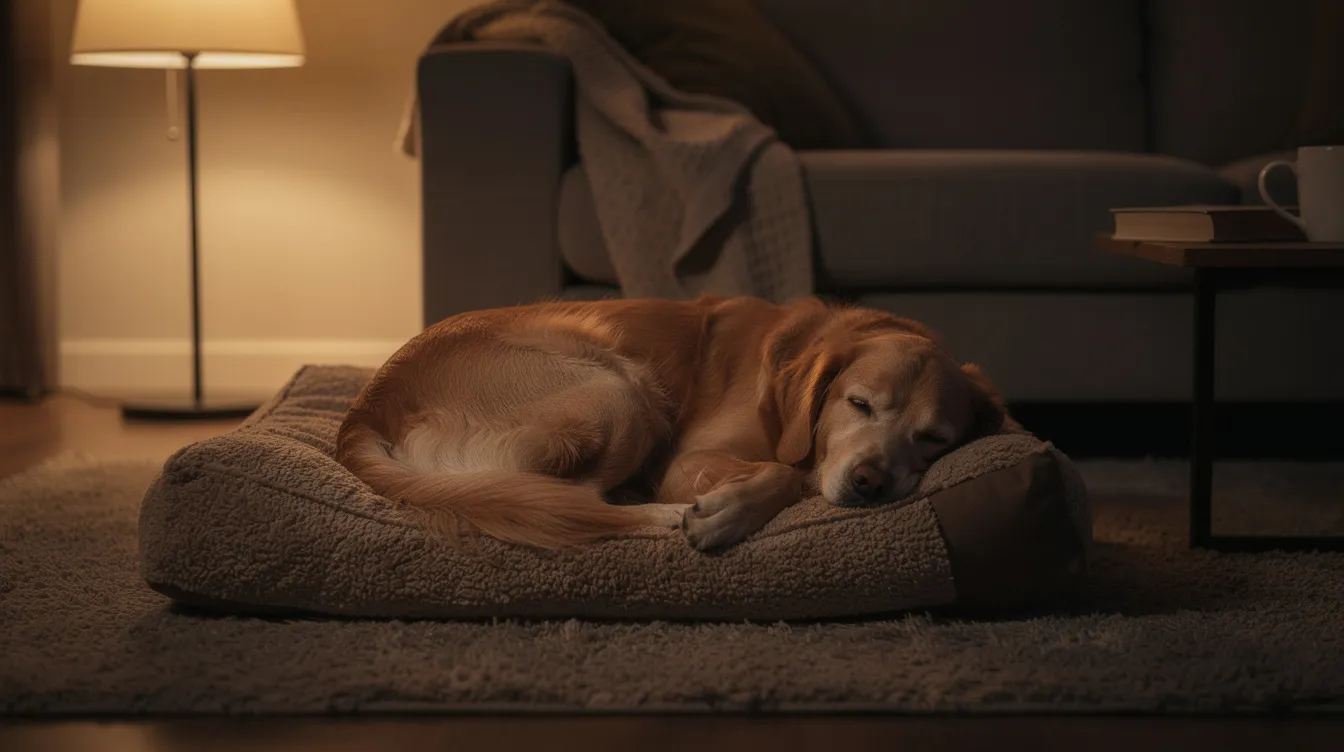
A predictable, cozy space helps a dreaming dog reach deep sleep and REM. Choose a supportive bed away from drafts and noise. Familiar scents-their blanket, an unwashed shirt-encourage peaceful dreams. Dim lighting at night and quiet surroundings prevent jolting your dog out of sleep.
Keep a Consistent Daily and Bedtime Routine
Dogs thrive on predictability. Regular times for meals, walks, and bedtime smooth the transition into healthy sleep cycles each night. Plenty of daytime exercise helps dogs reach satisfying deep sleep. Avoid highly exciting play right before bed, and offer a calm pre-bed ritual so the dog learns it's safe to let dreaming begin.
Support Your Dog's Emotional Wellbeing
Emotionally secure dogs enjoy more peaceful sleep. Use positive reinforcement training and address known fears with desensitization or calming wraps. If anxiety or trauma appears linked to frequent nightmares, consult a vet or behaviorist. By building trust while your dog is awake, you help shape kinder, calmer dreams at night.
FAQ: Your Questions About Dog Dreams Answered
These FAQs address common concerns about dog dreams that pet owners ask most often.
Can I tell if my dog is dreaming about me?
We can't know for certain, but strong bonding and brain studies suggest many dog dreams do include their favorite person. A relaxed body, gentle tail wags, and soft happy noises during sleep likely reflect positive social scenes. Because dogs process emotional memories in REM, it's very likely they dream about the people they see and love every day. Scientists can't decode exact content yet, but the evidence points toward you being a regular guest star.
Should I ever wake my dog if the dream seems intense?
Gentle vocal cues from a short distance are safer than touching a startled dreaming dog during a bad dream. If the dog looks extremely distressed or is at risk of injury-thrashing near stairs, for instance-waking may be necessary but should be done cautiously. Regular, non-disturbing dreams should be left alone so the dog completes its normal sleep cycle and gets the quiet, restorative rest it needs.
Do dogs remember their dreams when they wake up?
We don't know if dogs consciously recall dreams the way humans sometimes do, but behavior suggests they carry over emotional residue. A dog may wake from a pleasant episode and appear excited to see you, or from a bad dream and seem briefly confused or clingy. Memory consolidation during REM is more about storing important experiences than forming a narrative the dog can later revisit.
Can medications or health problems change my dog's dreams?
Anything affecting the brain or sleep structure-pain, seizures, sedatives, or anxiety medications-can alter how dogs dream and move through deep sleep and REM. Tell your vet about new or suddenly intense nightmares that start after a medication change. Underlying issues like chronic pain or cognitive dysfunction can make bad dreams more frequent, so veterinary evaluation matters.
Why does my dog sometimes sleep so deeply that I can't wake them easily?
During deep sleep, many healthy dogs are very hard to rouse, which is a normal sign of feeling safe and fully relaxed. After an especially active day, dogs may sink more deeply into sleep, leading to more pronounced dreaming and slower wake-ups. If difficulty waking is extreme or accompanied by disorientation very different from your dog's usual pattern, a vet check is wise to rule out medical causes.
