

Australia’s unique combination of tropical humidity, temperate coastal zones, abundant wildlife, and densely populated urban centres creates a challenging landscape for canine health. From the sun-scorched outback to the bustling dog parks of Sydney and Melbourne, dog diseases in Australia pose risks that every pet owner needs to understand.
This guide is intended for Australian dog owners, pet carers, and anyone responsible for canine health in Australia.
This comprehensive guide covers everything Aussie dog owners need to know about protecting their four-legged family members from illness, injury, and infection.
Overview of Dog Diseases in Australia
Dog diseases in Australia matter for pet owners because our continent presents a unique set of challenges. The warm, humid tropics of Queensland and the Northern Territory support year-round parasite activity, while even the cooler southern states experience seasonal peaks in fleas, ticks, and mosquito-borne illness. Australia’s wildlife—from rats in urban Sydney to venomous snakes in suburban backyards—amplifies exposure to dangerous pathogens.
Urban living in cities like Brisbane, Melbourne, and Perth means more encounters at boarding facilities, dog parks, and doggy daycares, where common dog diseases spread rapidly between animals. Meanwhile, some diseases from dogs can affect humans, particularly children and immunocompromised family members.
What you’ll learn in this article:
-
The most prevalent dog infections across Australian states
-
How viral infections in dogs like parvovirus and distemper spread and how to prevent them
-
Which parasites and bacteria pose the greatest threat to Australian dogs
-
Regional risks including paralysis ticks, heartworm, and leptospirosis
-
Practical prevention strategies including vaccination schedules and parasite control
-
When to seek immediate veterinary care
The good news is that many viral infections in dogs are entirely preventable through timely vaccination, consistent parasite control, and early veterinary intervention. Studies show that prompt treatment can reduce hospitalisation needs by over 70% in early-stage cases of many serious conditions.

Most Common Dog Diseases in Australia
Certain common dog diseases appear consistently across all Australian states—from NSW and Victoria to Queensland, Western Australia, South Australia, Tasmania, the Northern Territory, and the ACT. These conditions affect dogs regardless of breed, with data from PetSure’s 2024 claims revealing gastrointestinal issues accounting for 12.7% of claims, ear infections at 12.3%, and skin allergies at 12.1%.
Here’s a high-level overview of the top dog infections and dog virus threats facing Australian dogs:
-
Canine Parvovirus: Thrives in contaminated public spaces and shelters; particularly deadly in unvaccinated puppies, with mortality rates reaching 90% without intensive care
-
Kennel Cough: Surging in urban doggy daycares and boarding kennels due to increased socialisation post-pandemic
-
Leptospirosis: Tied to flooding events and rat populations in QLD and NSW urban areas
-
Canine Distemper: Rarer due to vaccination but persistent in under-vaccinated populations and imported rescue dogs
-
Intestinal Parasites: Affecting 30-50% of untreated dogs nationwide, with higher prevalence in sandpits and parks
-
Skin Infections: The most reported condition in some breeds, often linked to humidity and environmental allergens
Each of these conditions has specific symptoms, treatment protocols, and prevention strategies that Australian dog owners need to understand. The following sections explore each major disease category in detail.
Viral Infections in Dogs: Australia’s Key Dog Viruses
Viral infections in dogs represent some of the most dangerous dog diseases in Australia. These conditions often progress rapidly, can overwhelm a dog’s immune system within days, and carry high mortality rates without aggressive treatment. Canine parvovirus, for instance, has an 80-90% fatality rate in unvaccinated puppies who don’t receive intensive veterinary care.
Vaccination remains the primary defence against major dog virus threats. Core vaccines in Australia—typically administered as C3 or C5 combinations—protect against parvovirus, distemper, and hepatitis, with additional coverage for parainfluenza and sometimes leptospirosis.
Understanding how each virus spreads and what symptoms to watch for can mean the difference between a treatable illness and a tragedy.
Canine Parvovirus (Parvo) in Australian Dogs
Canine parvovirus is one of the deadliest dog infections in Australia, claiming lives within 48-72 hours in severe cases. Young puppies under six months are most vulnerable, but unvaccinated adult dogs and rescue animals also face significant risk. Canine parvovirus, or parvo, is a highly contagious virus that attacks the gastrointestinal system, causing severe symptoms like vomiting and bloody diarrhea, and it can survive in the environment for years.
Outbreaks are regularly reported across Australia—from Western Sydney shelters to Northern Queensland remote communities and regional Northern Territory towns. The virus is extremely hardy, persisting in contaminated soil for years and resisting many common disinfectants.
Key symptoms to recognise:
-
Sudden onset of projectile vomiting
-
Profuse bloody diarrhoea with distinctive foul odour
-
Severe dehydration (often 10-20% body weight loss)
-
Extreme lethargy and collapse
-
Fever reaching 41°C
-
Rapid weight loss
How parvo spreads:
Dogs contract parvovirus through direct contact with infected faeces or contaminated environments. The virus travels on shoes, clothing, hands, and surfaces. Dog parks, vet clinic waiting rooms, boarding facilities, and shared water bowls are common transmission points.
Vaccination is critical—parvo is a core component of standard C3/C5 vaccines administered at 6-8 weeks, 10-12 weeks, and 14-16 weeks, with annual boosters. Puppies should avoid high-risk areas like dog parks until their vaccination series is complete at around 16 weeks of age.
Canine Distemper Virus
Canine distemper is a highly contagious viral disease that can cause symptoms such as fever, vomiting, diarrhea, seizures, and paralysis, and it is often fatal if not treated. Thanks to widespread vaccination, distemper is now less common in Australia, but it remains a serious dog virus threat in under-vaccinated areas and among imported rescue dogs.
This viral disease attacks multiple body systems simultaneously:
-
Respiratory: Pneumonia in approximately 70% of cases, with coughing and nasal discharge
-
Gastrointestinal: Persistent vomiting and diarrhoea
-
Neurological: Seizures, muscle twitching, and paralysis in roughly 30% of affected dogs
Distemper spreads through airborne droplets when infected animals cough or sneeze. Contaminated food and water bowls also serve as transmission routes.
Australian veterinarians consider the canine distemper vaccine a core component of both puppy and adult booster schedules. Recovery from distemper can be prolonged, and some dogs are left with lifelong neurological issues including persistent muscle twitches—making prevention absolutely crucial.
Canine Cough (Kennel Cough) and Canine Influenza
Kennel cough is a highly contagious respiratory infection caused by a combination of viruses and bacteria, most commonly Bordetella bronchiseptica. In Australian veterinary practices, canine cough ranks among the most frequently diagnosed common dog diseases, particularly in urban areas with high dog density.
Dogs with kennel cough may not show symptoms in the early stages but can still infect other dogs, making it important to monitor their health closely. Common symptoms of kennel cough include a dry, hacking cough and a snotty nose, which can resemble signs of other respiratory infections.
Typical transmission scenarios:
-
Boarding kennels with multiple dogs in close quarters
-
Doggy daycare facilities in Sydney, Melbourne, and Brisbane
-
Obedience classes and training schools
-
Busy off-leash parks and dog beaches
-
Dog shows and competitions
Hallmark symptoms include:
-
Persistent dry, hacking cough
-
Distinctive “honking” sound
-
Retching or gagging
-
Mild fever
-
Runny eyes or nose
-
Most dogs remain bright and continue eating
Vaccines for kennel cough are available, but not all dogs need to receive them; it’s best to consult a veterinarian to determine the necessity for your dog. Intranasal and injectable vaccines are available in Australia, with vets typically recommending them for dogs that socialise frequently.
Canine influenza virus remains primarily an overseas concern, but imported dogs or international travel may change Australia’s risk profile. The canine influenza vaccine is available for high-risk situations.
Other Important Viral Infections in Dogs
Beyond the major threats, several other viral infections in dogs warrant attention from Australian pet owners.
Canine Adenovirus (Hepatitis)
This viral disease causes liver inflammation, jaundice, and blood clotting disorders. Before widespread vaccination, mortality rates reached 20% in severe cases. The virus spreads through the faecal-oral route and is included in core Australian C3 vaccines, significantly reducing the incidence of severe liver disease.
Canine Enteric Coronavirus
Different from COVID-19, this intestinal coronavirus causes mild to moderate diarrhoea, particularly in kennelled dogs. While highly contagious, it’s typically less lethal than parvovirus. Good hygiene practices in boarding facilities and multi-dog households help prevent transmission.
While these conditions may be less deadly than parvo or distemper, they still cause significant illness and veterinary expenses that owners can largely prevent through vaccination.

Bacterial and Parasitic Dog Infections (Including Zoonotic Diseases from Dogs)
Not all dog infections are viral. Many significant diseases from dogs come from bacteria and parasites—and some of these organisms can also infect humans, making them a family health concern.
Major categories of bacterial and parasitic infections:
-
Leptospirosis (urban rat-linked bacterial infection)
-
Intestinal worms (roundworm, hookworm, whipworm, tapeworm)
-
Skin and ear bacterial infections
-
Tick-borne diseases
-
Flea-associated conditions
Warm, humid regions of Queensland and New South Wales support year-round parasite activity, while cooler southern states experience seasonal peaks. The risk of diseases from dogs is heightened for families with young children who may contact contaminated soil in backyards or playgrounds.
Leptospirosis: A Serious Zoonotic Disease from Dogs
Leptospirosis is a bacterial infection that can be contracted by dogs through contaminated water or soil, leading to symptoms such as fever, vomiting, and potential kidney or liver failure. Recent clusters in urban Sydney—particularly the Inner West and CBD-fringe suburbs—have been directly linked to rat populations, with cases spiking after heavy rain and flooding events.
How dogs become infected:
Dogs contract Leptospira bacteria through contact with water, soil, or food contaminated by urine from infected rats, wildlife, or livestock. The bacteria enter through mucous membranes, cuts, or waterlogged skin. Standing puddles after rain present particular risk.
Key symptoms in dogs:
-
High fever (often reaching 40°C)
-
Muscle pain and reluctance to move
-
Vomiting and haemorrhagic diarrhoea
-
Jaundice (yellowing of gums and eyes)
-
Kidney failure with elevated creatinine levels
-
Increased thirst and urination
-
Sudden death in severe cases (10-50% fatality rate when untreated)
This is one of the most important diseases from dogs affecting humans. People can contract leptospirosis through contact with infected dog urine, tissues, or contaminated water—one Sydney cluster hospitalised five dog owners. Leptospirosis vaccination is recommended in higher-risk areas, along with lifestyle measures such as avoiding stagnant puddles and controlling rat populations.
Intestinal Worms and Other Internal Parasites
Intestinal parasites such as roundworms, hookworms, whipworms, and tapeworms can infect dogs, causing malnutrition and diarrhea as they steal nutrients from the host’s food. These parasites represent extremely common dog diseases across Australia, affecting 25-50% of dogs without regular worming.
How dogs acquire worms:
-
Contaminated parks and sandpits
-
Eating raw offal or hunting rodents
-
Ingesting infected fleas (for some tapeworms)
-
Puppies can be born with roundworms from their mother
Tapeworms are spread to dogs when they ingest fleas, lice, or rodents that are infected with the parasite, highlighting the importance of flea control in preventing tapeworm infections.
Several intestinal parasites are diseases from dogs that can affect people, especially children. Roundworm larvae (Toxocara canis) can cause visceral larva migrans in humans—a rare but serious condition.
Coccidia and Giardia are single-celled parasites that can damage the lining of a dog’s intestine, with puppies being at the highest risk of infection and illness.
General symptoms:
-
Poor growth and failure to thrive in puppies
-
Pot-bellied appearance
-
Chronic diarrhoea
-
Loss of appetite and weight loss
-
Anaemia (pale gums)
-
Scooting or visible segments around the anus
Australian guidelines recommend year-round broad-spectrum worming at intervals advised by your vet, plus strict poo pickup in yards and public spaces to break the transmission cycle.
Skin, Ear and Other Bacterial Dog Infections
Bacterial infection of the skin and ears ranks among everyday problems in Australian veterinary clinics. These conditions often link to allergies, humid weather, and frequent swimming. Skin allergies are a frequent issue in Australia, causing itching, redness, and hotspots, often triggered by fleas, pollen, or environmental allergens. Approximately one in four dogs in Australia is affected by skin allergies, making it the most frequent reason for vet visits.
Common conditions:
-
Bacterial dermatitis (“hot spots”)
-
Ear infections in floppy-eared breeds like Labradors (affecting 15.8% of the breed)
-
Pyoderma secondary to flea allergy dermatitis or food allergies
-
Fungal infections in humid environments
Recognisable signs:
-
Redness, swelling, and odour
-
Constant scratching or head-shaking
-
Hair loss and scabs
-
Pain when touched
-
Bad smell or constant licking at affected areas
Prompt veterinary care prevents secondary bacterial infection and more serious complications. Culture and sensitivity testing guides appropriate antibiotic treatment and helps prevent antibiotic resistance.
Prevention tips:
-
Dry ears thoroughly after beach or river swims
-
Maintain consistent flea control
-
Address underlying allergies with veterinary guidance
-
Regular grooming to detect problems early
Parasites, Ticks and Vector-Borne Dog Diseases in Australia
Australia’s climate and wildlife support many external parasites, making them a major source of dog infections and common dog diseases. From the deadly paralysis tick along the eastern seaboard to mosquitoes carrying heartworm larvae, these threats require year-round vigilance.
Key parasites and vectors covered in this section:
-
Paralysis ticks and tick-borne diseases
-
Brown dog tick and ehrlichiosis
-
Fleas and flea-associated conditions
-
Mosquitoes and heartworm disease
Some parasites are most active in specific regions—paralysis ticks dominate coastal areas from North Queensland through NSW into eastern Victoria—while others like fleas thrive wherever temperatures remain warm.
Paralysis Ticks and Tick-Borne Diseases
Tick Paralysis, caused by the Paralysis Tick found primarily along Australia’s east coast, can lead to paralysis and death if not treated immediately. The Australian paralysis tick (Ixodes holocyclus) is one of the world’s most dangerous tick species for dogs, causing over 1,000 veterinary cases annually on the NSW and Queensland coast.
Ticks are external parasites that feed on the blood of both humans and animals, and they can transmit serious diseases such as Lyme disease and other tick-borne illnesses.
High-risk zones:
-
Coastal Queensland and NSW
-
Parts of eastern Victoria
-
Suburban backyards near bushland
-
Bush walking trails and holiday homes
Early warning signs:
-
Change in bark (voice becoming weak or hoarse)
-
Weakness in back legs, progressing to front legs
-
Wobbliness when walking
-
Coughing, gagging, or vomiting
-
Difficulty breathing
-
Complete paralysis and respiratory failure in advanced cases
Death can occur within 3-18 days of tick attachment without treatment. Prevention through tick prevention products—including chewables, spot-ons, and tick collars—provides approximately 90% protection. Daily tick searches during peak season (spring through autumn) are essential.
Other tick-borne diseases:
Canine Ehrlichiosis, an emerging disease first detected in Australia in 2020, is now established in multiple northern regions including WA, NT, and Queensland. The brown dog tick spreads this bacterial infection, causing fever, bleeding disorders, weight loss, and chronic illness if untreated.
Fleas and Flea-Associated Disease
Fleas are common external parasites that rely on a host animal for survival, and unless steps are taken to break their lifecycle, adult fleas will continue to live and reproduce on your pet and in your household. In warm, humid Australian conditions, flea populations can explode rapidly.
Typical impacts of flea infestation:
-
Intense itching and discomfort
-
Flea allergy dermatitis (affecting up to 50% of allergic dogs)
-
Hair loss concentrated over rump and tail base
-
Secondary bacterial and yeast infections
-
Anaemia in young puppies or small dogs with heavy infestations
-
Tapeworm transmission
Breaking the flea cycle requires:
-
Treating all pets in the household simultaneously
-
Washing pet bedding in hot water weekly
-
Vacuuming carpets, furniture, and crevices regularly
-
Using veterinarian-recommended preventatives consistently
Preventative treatments for fleas and ticks, such as shampoos, tablets, or topical solutions, are essential to protect dogs from these external parasites and the diseases they can transmit. Consistent monthly flea control is far easier and cheaper than dealing with a full-blown home infestation.
Mosquitoes and Heartworm Disease
Heartworm disease is endemic in Australia, particularly in areas of high humidity, and is spread by mosquitoes. This serious and potentially fatal parasitic infection causes significant damage to a dog’s heart, lungs, and blood vessels.
Heartworms are spread by mosquitoes, which carry the larvae of the heartworm parasite, and can lead to symptoms such as coughing, lethargy, and difficulty breathing. Once a dog is infected with heartworms, the parasites mature into adults and can reach lengths of up to 30 centimeters, living in the heart, lungs, and blood vessels.
Disease effects include:
-
Persistent coughing, especially after exercise
-
Exercise intolerance and lethargy
-
Progressive weight loss
-
Heart failure
-
Caval syndrome (sudden death from massive worm burden)
Heartworm symptoms often do not appear until the disease is advanced, making early prevention crucial for dog health. Heartworm treatment once established is lengthy, expensive, and carries approximately 20% risk of complications.
Preventative treatments for heartworm are available and are recommended year-round to avoid the serious consequences of the disease. Annual heartworm injections or monthly preventatives (tablets, chews, or spot-ons) are standard Australian veterinary recommendations and are 99% effective when used consistently.
Reducing standing water in your yard also helps minimise mosquito breeding sites.
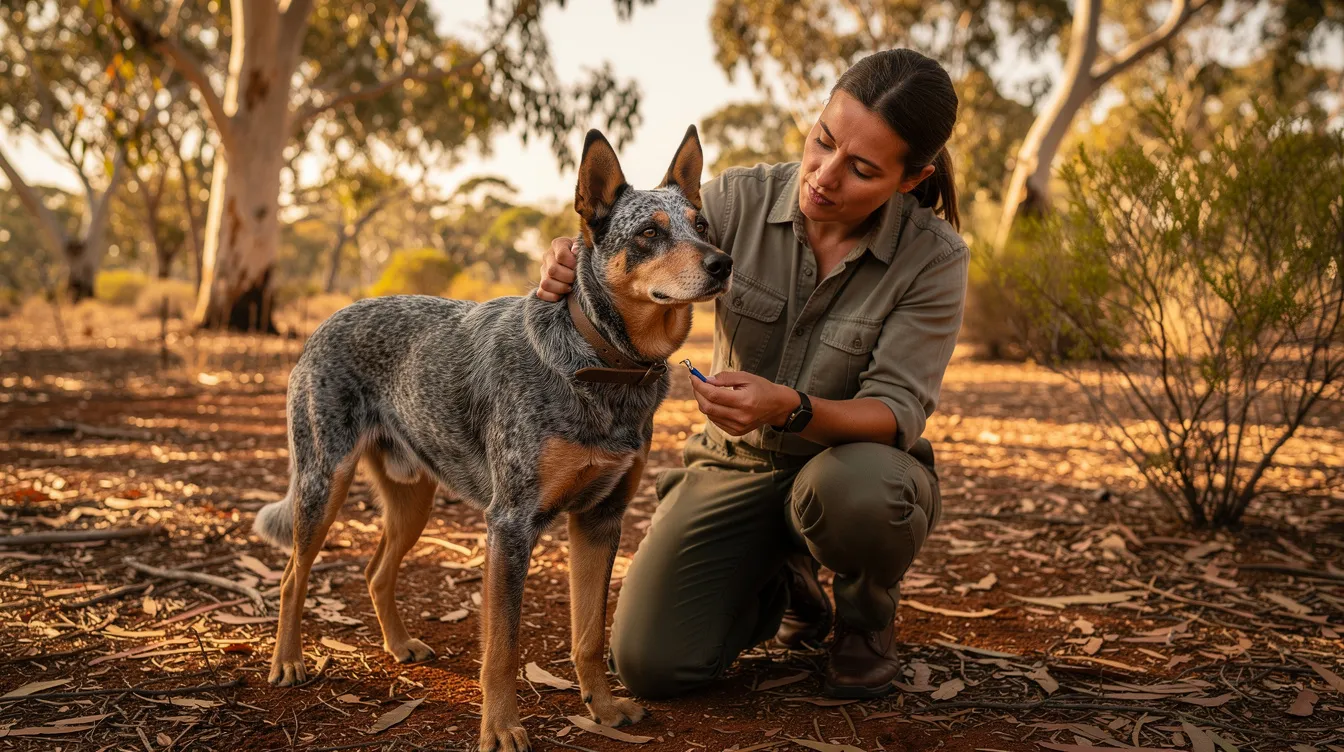
Non-Infectious but Critical Dog Health Risks in Australia
Not all serious dog diseases in Australia involve pathogens. Some major threats are environmental or lifestyle-related, requiring different prevention strategies.
Key non-infectious conditions:
-
Heatstroke and heat-related illness
-
Snake bites and wildlife encounters
-
Toxic plant and substance ingestion
-
Chronic conditions like osteoarthritis and diabetes
Over 40% of Australian pets are overweight or obese, resulting in various health issues that can compound both infectious and non-infectious conditions. Osteoarthritis affects roughly one in five dogs, particularly as they age, leading to joint pain and reduced mobility. These problems commonly present to emergency clinics during Australian summers and bushland adventures, sometimes mimicking or worsening existing dog infections.
Heatstroke and Australian Climate Hazards
Australia’s hot summers and frequent heatwaves make heatstroke a major killer. Brachycephalic breeds, such as Bulldogs, Pugs, and French Bulldogs, are at a higher risk for airway problems due to their shortened snouts, which can lead to breathing difficulties, especially in hot weather or after exercise. Older dogs and overweight dogs also face elevated risk.
Common dangerous scenarios:
-
Dogs left in parked cars (internal temperatures can exceed 50°C within minutes)
-
Exercise during the middle of hot days
-
Confinement to unshaded yards during 30-40°C temperatures
-
Lack of access to fresh water
Warning signs:
-
Heavy, excessive panting
-
Profuse drooling
-
Bright red or very pale gums
-
Collapse and weakness
-
Vomiting and diarrhoea
-
Seizures
-
Organ failure in severe cases
Immediate first aid:
-
Move the dog to shade immediately
-
Apply cool (not ice-cold) water to the body
-
Offer small amounts of water to drink
-
Seek urgent veterinary care
Prevention strategies:
-
Walk dogs early morning or evening
-
Ensure constant access to water and shade
-
Never leave dogs in parked cars
-
Limit exercise for brachycephalic breeds in warm weather
Heat stress can also worsen respiratory conditions and some viral infections in dogs, making temperature management especially important for unwell animals.
Snake Bites, Spiders and Wildlife Encounters
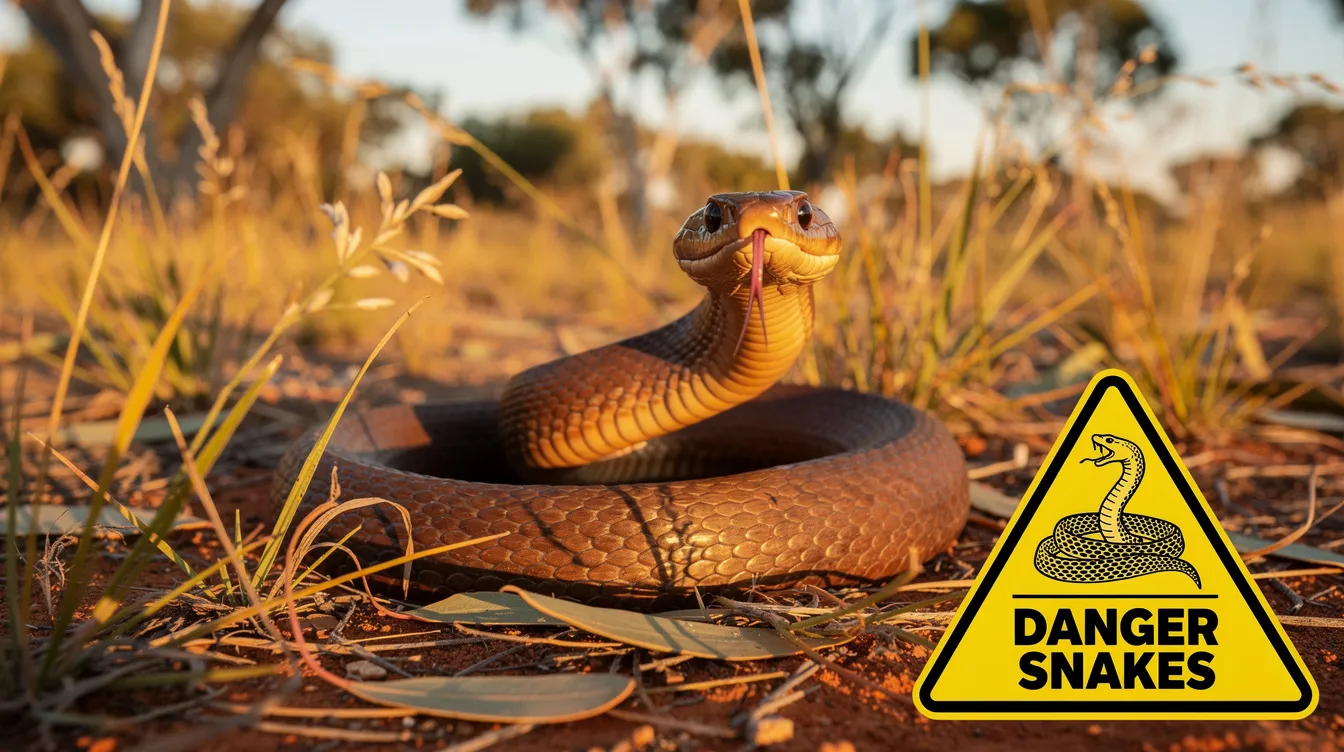
Encounters with venomous snakes—including brown snakes, tiger snakes, and red-bellied black snakes—occur on rural properties, bush trails, and even suburban backyards across Australia. These represent uniquely Australian hazards for dogs.
Signs of snake envenomation:
-
Sudden weakness or collapse
-
Dilated pupils
-
Vomiting
-
Progressive paralysis
-
Bleeding or dark-coloured urine
-
Abdominal pain
Snake bite treatment often requires antivenom (costing $1,000 or more) and intensive veterinary care. Approximately 60% of dogs survive with prompt treatment.
Other wildlife risks:
-
Cane toads in Queensland and NT (can cause megaesophagus and cardiac issues)
-
Bluebottle stings at beaches
-
Aggressive magpies during nesting season
Toxic plants can cause a variety of illnesses in dogs, including gastrointestinal distress and neurological symptoms. Some ornamental plants, such as lilies and azaleas, are particularly toxic to dogs and can lead to severe health complications if ingested. Cocoa mulch, which is made from cocoa shells, is toxic to dogs and can cause symptoms such as vomiting, diarrhea, and even seizures if ingested.
Prevention:
-
Keep dogs on-lead in high-risk bush areas
-
Maintain yards to reduce snake habitat
-
Consider snake-avoidance training in endemic regions
-
Learn to identify wild animals in your local area
Preventing Dog Diseases in Australia: Vaccination, Parasite Control and Everyday Habits
Prevention is always more effective—and far less expensive—than treatment. Protecting against dog infections, dog virus threats, and other common dog diseases relies on four pillars:
-
Vaccination: Core and lifestyle-based vaccines
-
Parasite prevention: Year-round flea, tick, worm, and heartworm control
-
Hygiene and environmental management: Clean living spaces and safe socialisation
-
Regular veterinary check-ups: Early detection and prompt treatment plan development
With consistent attention to these pillars, most dogs infected with preventable diseases could have avoided illness entirely. The following sections provide specific guidance for Australian conditions.
Vaccination Schedules for Australian Dogs
Vaccination is essential for preventing serious diseases in dogs, such as canine distemper, parvovirus, and rabies, which can be fatal if contracted. Canine Distemper and Hepatitis are serious viral diseases that form part of standard ‘core’ vaccinations essential for all dogs.
Standard Australian puppy vaccination schedule:
|
Age |
Vaccines |
Notes |
|---|---|---|
|
6-8 weeks |
First C3 or C5 |
Core protection begins |
|
10-12 weeks |
Second C3 or C5 |
Immune system building |
|
14-16 weeks |
Third C3 or C5 |
Full protection achieved |
|
12 months |
Booster |
Reinforces immunity |
|
Every 1-3 years |
Adult boosters |
As advised by vet |
Vaccination schedules should include core vaccines to protect against Parvovirus, Distemper, and Hepatitis for all Australian dogs. Optional extras include leptospirosis, kennel cough, and canine influenza vaccine based on lifestyle and regional risk.
Puppies are particularly vulnerable to serious diseases and should receive their first vaccinations between six and eight weeks old, followed by boosters every three to four weeks until they are about 16 weeks old.
Many local and state governments require regular rabies vaccination for dogs, as rabies is a 100% fatal disease once symptoms appear, making vaccination crucial for public health and safety. While Australia is currently rabies-free, the rabies virus remains a concern for international travel. Rabies infection and rabies vaccination requirements apply to dogs travelling internationally.
Keep vaccination records updated for boarding kennels, dog training classes, and interstate travel. Work with your local vet who understands region-specific disease patterns.
Year-Round Parasite Prevention
Parasite control, including monthly preventatives for fleas, ticks, and heartworm, is crucial for dog health in Australia. Integrated products—combining protection against multiple parasites in a single monthly chew, spot-on, or collar—simplify prevention for busy pet owners.
Comprehensive parasite prevention should address:
-
Fleas (year-round in warm areas, seasonal elsewhere)
-
Ticks (especially paralysis ticks in eastern coastal regions)
-
Intestinal worms (monthly or quarterly depending on product)
-
Heartworm prevention (year-round across Australia)
Regular parasite control not only stops itching and discomfort but also prevents serious dog infections and several zoonotic diseases from dogs that could affect your family.
Practical tips:
-
Set monthly reminders on your phone
-
Treat all pets in the household simultaneously
-
Check product labels for Australian conditions and covered parasites
-
Consult your vet about the best combination for your area and lifestyle
Hygiene, Environment and Safe Socialising
Good hygiene reduces the spread of many common dog diseases in homes and public spaces. Simple habits make a significant difference.
Daily hygiene practices:
-
Pick up poo promptly (reduces worm transmission by up to 50%)
-
Wash hands after handling dogs, especially before eating
-
Clean food and water bowls regularly
-
Wash bedding weekly in hot water
Safer dog park visits:
-
Avoid visibly sick dogs
-
Keep puppies away until fully vaccinated (after 16 weeks)
-
Bring your own water bowl during high-risk periods
-
Leave immediately if your dog shows signs of illness
Yard management:
-
Control standing water to reduce mosquito breeding
-
Mow lawns regularly to reduce tick habitat
-
Secure rubbish and compost to deter rats and wildlife
-
Remove known toxic plants from accessible areas
Supervising children:
Supervise all interactions between dogs and children to minimise bites and reduce transmission of diseases from dogs. Teach children proper hygiene practices including handwashing after playing with pets.
Responsible adoption and travel:
When adopting rescue dogs or travelling interstate, ensure proper quarantine periods and veterinary checks to prevent introducing new dog virus strains to your household or community.
When to See a Vet and How to Act Quickly
Recognising emergency symptoms and acting quickly can save your dog’s life. Certain signs should trigger immediate veterinary contact.
Red-flag symptoms requiring urgent care:
-
Persistent vomiting or diarrhoea (especially with blood)
-
Bloody stools or black tarry faeces
-
Difficulty breathing or choking sounds
-
Collapse or inability to stand
-
Seizures or uncontrolled muscle twitching
-
Rapid swelling (possible allergic reaction)
-
Suspected tick or snake bite
-
Neurological symptoms including disorientation
-
Any sudden, severe change in behaviour
-
Suspected poisoning from toxic plants or substances
Early treatment for viral infections in dogs, leptospirosis, parvovirus, and paralysis tick toxicity dramatically improves survival rates. For treating parvo, prompt veterinary care with IV fluids can boost survival rates from under 10% to over 80%.
Information to have ready for your vet:
-
Vaccination history and dates
-
Recent travel or boarding history
-
When symptoms first appeared
-
Exposure to other dogs or wildlife
-
Any substances the dog may have ingested
-
Current medications and parasite preventatives
Large breed dogs like Doberman Pinschers, Great Danes, and Boxers are more likely to develop dilated cardiomyopathy (DCM), a condition that weakens the heart muscle and makes it harder for the heart to pump blood—requiring prompt veterinary care if cardiac symptoms develop.
Small breeds like Chihuahuas, Pomeranians, and Yorkshire Terriers are more likely to suffer from patellar luxation, where the kneecap slips out of place, and tracheal collapse, which can cause a distinctive ‘goose honk’ cough. These breed-specific conditions warrant regular veterinary check ups and appropriate treatment plans.
Hip pain and joint issues are common in both young dogs and older dogs, with proper hygiene around wounds helping prevent secondary infections. Annual veterinary check-ups are important for early detection of chronic health conditions in dogs, allowing your vet to catch problems before they become emergencies.
The Bottom Line
Most dog diseases in Australia are preventable with proper care. By maintaining vaccination schedules, implementing year-round parasite prevention, practising proper hygiene, and scheduling regular veterinary check ups, you give your dog the best chance at a long, healthy life.
Not all dogs face the same risks—your vet can help you understand the specific threats in your region and tailor a prevention plan accordingly. The investment in prevention is always smaller than the cost of treatment, both financially and emotionally.
If you haven’t reviewed your dog’s vaccination status or parasite prevention recently, schedule a check-up with your vet this week. Your dog is counting on you to keep them safe from the invisible threats that share our Australian landscape.
0 comments