

Few breeds command attention quite like the great dane. Standing taller than most dogs and many kitchen counters, this giant breed combines an imposing frame with a surprisingly soft personality. Whether you've searched for gran danes, German Mastiff, or simply "really big dogs," you've landed in the right place. This guide covers everything from the breed's German hunting roots to modern health concerns, feeding strategies, and what daily life actually looks like with one of these dogs in your home.
Key Takeaways
-
The dog breed great dane originated in Germany as a boar-hunting and estate-guarding breed, despite its misleading name. Today, these dogs are gentle, affectionate family companions known as the Apollo of dogs.
-
Great Danes rank among the tallest great dane big dogs on the planet, with males often reaching 30–35 inches at the shoulder and 110–175 pounds, yet they're famously calm indoors and love lounging on your furniture.
-
Typical great dane specs include a short coat, six main recognised colours, and a lifespan of about 7–10 years, with notable health issues like bloat (GDV) and dilated cardiomyopathy that every owner should understand.
-
A well-bred great dane puppy needs slow, controlled growth, large-breed dog food, and careful socialisation with children, other pets, and other dogs from an early age.
-
Responsible breeding great danes and choosing reputable breeders in Europe, Australia, and the great dane usa scene is critical to reducing inherited problems and preserving the breed's gentle temperament.
History of the Great Dane Dog
The history of the great dane dog stretches back thousands of years. Depictions of large, Dane-like dogs appear on Egyptian monuments dating to roughly 3000 BCE, and references surface in ancient Chinese literature and Babylonian art from around 2000–1500 BCE. Yet the breed as we know it took shape much later, in the kennels of German nobility.
Despite the name, Great Danes originated in Germany, not Denmark. The name "Great Dane" was coined in the 1700s by a Frenchman who saw the dogs during travels, calling them Grand Danois. The great dane origin lies squarely in German breeding programs that crossed English Mastiff-type dogs with local sighthound stock to produce a powerful, agile hunter.
So what were great danes bred for? They were originally bred as boar-hunting dogs, tackling wild boar across European forests. These boar hounds needed courage, speed, and enough jaw strength to pin dangerous game. Beyond the hunt, German nobles in the late 1600s also used them to protect country estates and pull carts. Great Danes were favored by German nobility, who kept them as chamber dogs, sharing their private rooms with these prized animals.
Key milestones in the breed's formalisation:
-
German breed clubs standardised the dog breed great dane in the late 1870s–1880s.
-
The English Kennel Club recognised the breed around 1884.
-
The American Kennel Club followed in 1887, cementing the breed's presence across English speaking countries.
-
The nickname "Apollo of dogs" emerged to capture their combination of sheer size, elegance, and regal appearance.
Through the 20th century, great dane usa lines shifted emphasis from hunting instinct toward a stable, family-friendly great dane personality. Today, the breed is a companion first-though its guardian heritage still shows in a confident, watchful nature. And yes, the spelling "gran danes" is simply a common online variation referring to the same magnificent German dog.
Great Dane Specs: Size, Appearance & Breed Standards
When people talk about great dane specs, they mean the measurable physical traits that define this giant breed. Here's what the numbers look like:
Height and weight:
-
Males typically stand 30 to 35 inches tall at the shoulder (76 to 81 cm) and weigh between 54 to 90 kg (roughly 110 to 175 pounds).
-
Females range from 28 to 32 inches in height and generally weigh 100–140 lb.
These are truly great dane big dogs. Some individuals have earned Guinness World Records for being the tallest dog alive.
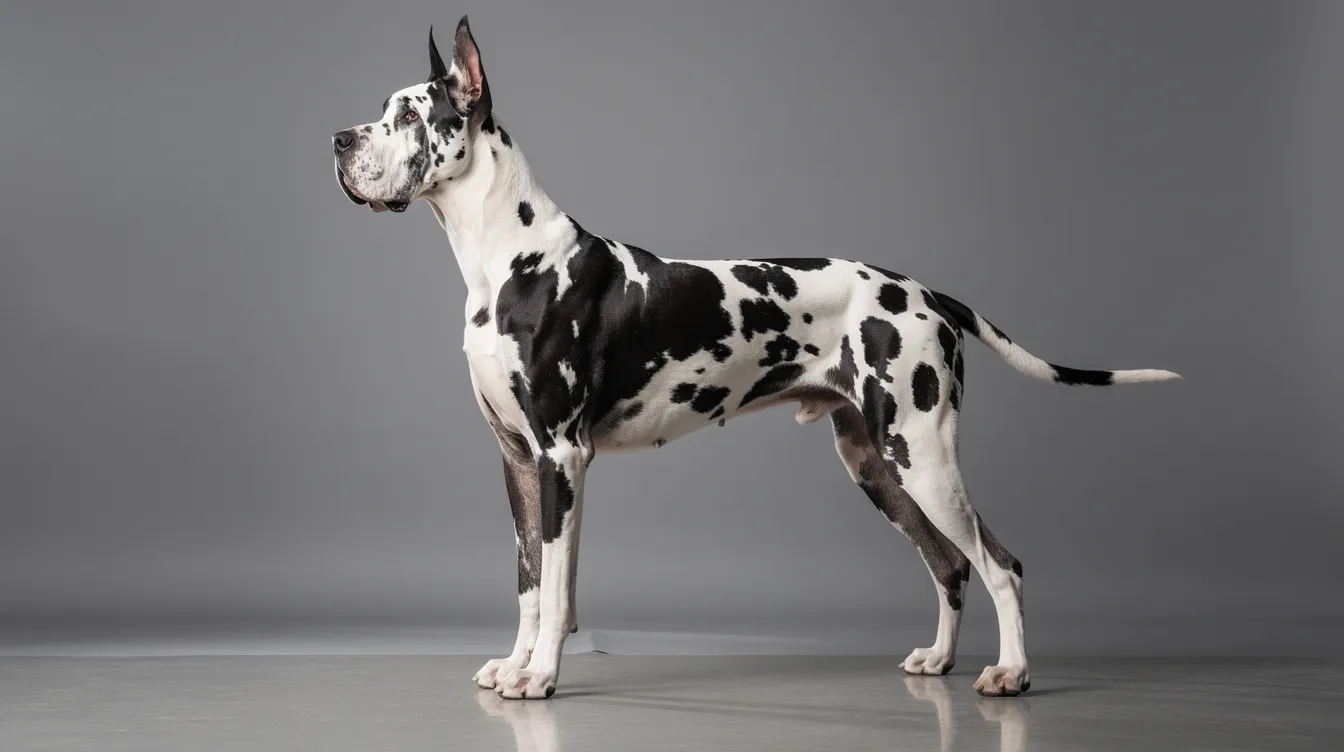
Build and structure: Great Danes carry a powerful, rectangular frame with a deep chest, long hind legs, and a long, narrow head with a defined stop. Ears are medium drop ears naturally, though cropping is still practised in some countries. The tail is long and tapering, carried low at rest.
Coat and colours: Great Danes come in six colours including fawn and brindle, plus blue, black, harlequin (a white coat with torn black patches), and mantle (black with a white chest). Their coat is short, smooth, and sheds moderately year-round. This smooth coat and short coat combination means minimal grooming compared to many other breeds-no professional clipping required, though nails should be trimmed regularly.
Compared to other giant breed dogs, Great Danes are taller and more leggy than English Mastiffs, which are stockier and heavier. Irish Wolfhounds match them in height but are rangier and lighter. Newfoundlands carry long, heavy coats requiring far more upkeep. Most kennel club organisations place Great Danes in the Working Group, reflecting their transition from hunting dogs to companions.
Great Dane Personality and Temperament
Affection and Family Life
The typical great dane personality is best captured by two words: gentle giants. Great Danes are known for their friendly and affectionate nature, forming deep bonds with every family member.
Core great dane dog temperament traits include:
-
Loyalty and attachment: Danes are velcro dogs. They are sociable and prefer human companionship, following you room to room and seeking constant human contact.
-
Moderate energy: Adults are surprisingly calm indoors. Puppies are rambunctious, but mature Danes settle into couch-potato routines.
-
Confidence: Their historic background as hunting dogs and guardian breeds gives them a natural protective streak. Great Danes can be wary of strangers due to their guarding instincts, but they rarely show aggression.
Great Danes are affectionate, friendly, and patient with families. They are affectionate and good with children, though their size means small children can be knocked over accidentally. Always supervise interactions and teach kids respectful behaviour.
Interaction with Other Pets
With other pets and other dogs, Danes are typically sociable when properly socialised. Some individuals retain prey drive toward smaller dogs or other animals, but many live happily alongside cats and small pets. Early introductions and controlled socialisation make all the difference.
Common Behavioral Traits
Most Danes will alert-bark at strangers but settle quickly once they see their owners are comfortable. They're not excessive barkers. Common quirks include leaning against your legs, insisting on being a lap dog despite weighing over 100 pounds, and developing separation anxiety when left alone for long periods. Great Danes are known to have separation anxiety when left alone for long periods, so they do best in homes where someone is present most of the day.
Temperament is shaped by genetics, early socialisation, and how responsibly breeding great danes is managed. Always prioritise breeders who evaluate temperament alongside physical health.
Great Dane Puppies: Growth, Training & Socialisation
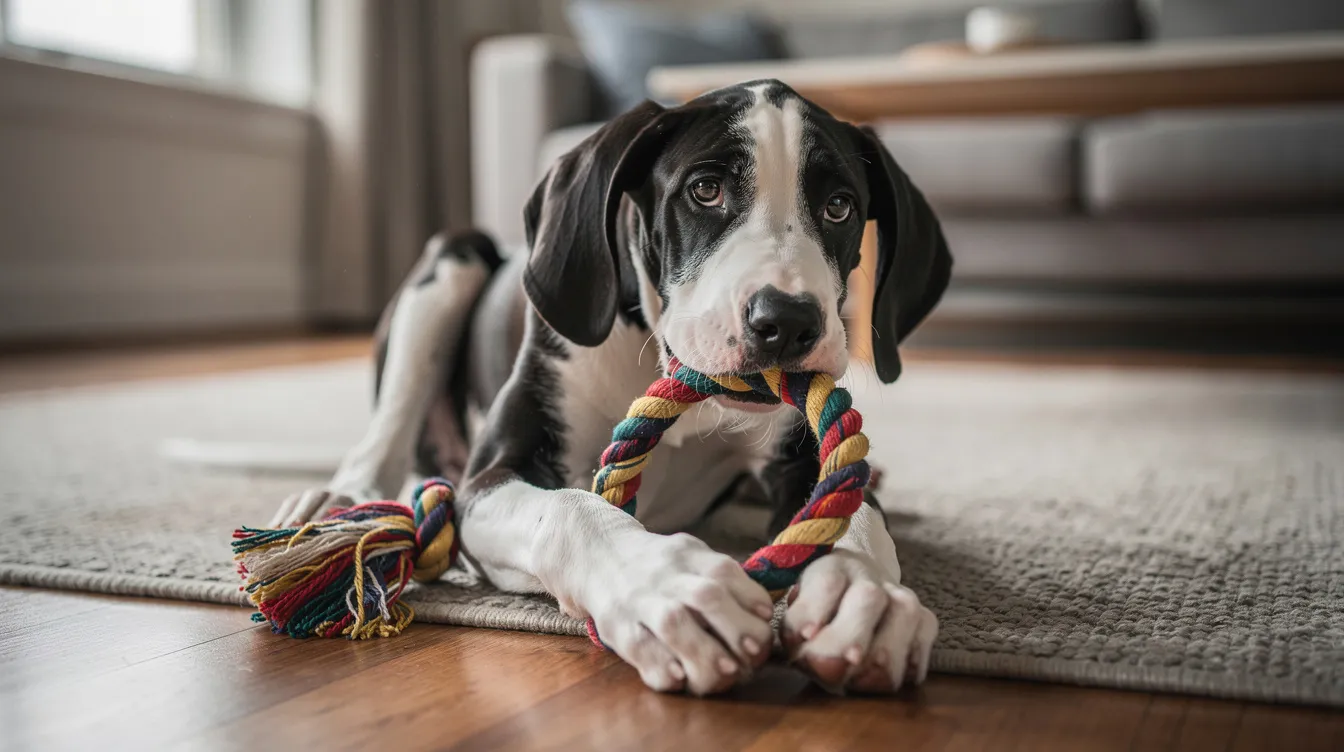
A great dane puppy goes from a 1–2 lb newborn to over 100 lb by 12–18 months. This explosive growth phase is both exciting and demanding. Dogs grow at a staggering rate during the first year, and how you manage that growth affects lifelong health.
What to expect in year one: High playfulness, clumsiness, relentless chewing, and a deep need for human company. A puppy this size can accidentally destroy furniture, shoes, and your patience if you're unprepared.
Key milestones:
-
8–12 weeks: Start basic obedience training-sit, down, house-training, crate training. Great Danes require early obedience training and socialisation.
-
4–8 months: Intense bone development and height gains. Preventing vigorous exercise during this window is crucial-avoid forced jogging, stairs, and jumping.
-
18–24 months: Calmer behaviour emerges. Skeletal maturity approaches, though some Danes continue filling out.
Great Danes should be socialized from an early age. Enrol in puppy preschool and expose your Dane to friendly other dogs, visitors, children, and varied environments. Controlled socialization helps build confidence in Great Danes and prevents dominance issues later.
Training should start early to prevent dominance issues. Positive reinforcement is the most effective training method-Great Danes respond well to consistent training routines and wilt under harsh correction. Priorities include loose-lead walking, polite greetings (no jumping), and "leave it" commands.
Responsible breeders handle early temperament evaluation and expose puppies to household sounds, handling, and car rides before rehoming. At home, set up an XXL crate, tall baby gates, non-slip flooring, chew-safe toys, and sturdy bowls suited to a fast-growing giant breed.
Feeding Great Danes: Dog Food, Nutrition & Bloat Prevention
Feeding Principles
Nutrition and appropriate dog food are arguably the most important investment for any giant breed. Get it wrong with a great dane puppy, and you risk skeletal problems that last a lifetime.
Core feeding principles:
-
Feed a high-quality, large-breed-specific dog food with controlled calories and balanced calcium/phosphorus. A diet for Great Danes should be complete and balanced at every stage.
-
Great Dane puppies need a slow growth feeding plan. The goal is steady, even growth-not maximum size as fast as possible. Large breed puppy formulas are designed for exactly this.
-
Great Danes require a high-protein diet for tissue growth, built on quality animal-based protein sources.
-
Joint-supporting nutrients like omega-3 fatty acids and glucosamine benefit large breeds prone to joint stress.
-
Monitor weight closely; an overweight Dane faces accelerated joint and heart problems.
Feeding Schedule
-
Great Danes should be fed twice a day as adults.
-
Puppies benefit from 3–4 small meals spread throughout the day.
-
Avoid vigorous exercise for 60–90 minutes before and after meals to help prevent bloat.
Foods to Avoid
What to avoid:
-
Table scraps and cooked bones, which can splinter and cause internal injury.
-
Common toxins: onions, grapes, xylitol.
-
Homecooked meals without professional guidance-homecooked meals can lead to nutrient disorders in Great Danes if not properly formulated.
If you're considering raw feeding or home-cooking for this dog breed great dane, consult a veterinary nutritionist. What works for smaller breeds doesn't automatically scale up for a dog eating several cups of food daily.
Health Issues in Great Danes
Like many large breeds, Great Danes are prone to certain health issues due to their size. Great Danes typically live between 6 to 10 years-a reality that earns them the nickname heartbreak breed among devoted owners.
Major Conditions to Understand
-
Gastric Dilatation-Volvulus (GDV/Bloat): Gastric dilatation-volvulus is a major risk for Great Danes, with lifetime risk estimates around 37–40%. Bloat is a critical condition that can be fatal, and it's a life threatening condition requiring emergency surgery. Signs include unproductive retching, distended abdomen, and restlessness. Prophylactic gastropexy during spay/neuter is increasingly recommended to prevent bloat.
-
Dilated Cardiomyopathy (DCM): Dilated cardiomyopathy is common in large breed dogs like Great Danes. The heart muscle weakens and chambers enlarge, potentially leading to heart failure.
-
Hip Dysplasia: Great Danes are prone to hip dysplasia and osteochondrosis, especially when rapid growth outpaces proper bone development.
-
Wobbler Syndrome: Cervical vertebra compression causing incoordination, more common in dogs with nutritional imbalances during growth.
-
Bone Cancer (Osteosarcoma): Giant breeds face elevated risk, with some surveys estimating 15–20% lifetime incidence.
-
Other conditions: Hypothyroidism, eye diseases, and Great Danes can develop gum disease due to plaque buildup if dental care is neglected.
Gastric Dilatation-Volvulus (GDV/Bloat)
Gastric dilatation-volvulus is a major risk for Great Danes, with lifetime risk estimates around 37–40%. Bloat is a critical condition that can be fatal, and it's a life threatening condition requiring emergency surgery. Signs include unproductive retching, distended abdomen, and restlessness. Prophylactic gastropexy during spay/neuter is increasingly recommended to prevent bloat.
Dilated Cardiomyopathy
Dilated cardiomyopathy is common in large breed dogs like Great Danes. The heart muscle weakens and chambers enlarge, potentially leading to heart failure.
Hip Dysplasia
Great Danes are prone to hip dysplasia and osteochondrosis, especially when rapid growth outpaces proper bone development.
Other Conditions
-
Wobbler Syndrome: Cervical vertebra compression causing incoordination, more common in dogs with nutritional imbalances during growth.
-
Bone Cancer (Osteosarcoma): Giant breeds face elevated risk, with some surveys estimating 15–20% lifetime incidence.
-
Hypothyroidism, eye diseases, and Great Danes can develop gum disease due to plaque buildup if dental care is neglected.
Screening and Prevention
-
Reputable breeders in the great dane usa scene and Europe perform hip and elbow x-rays, cardiac echocardiograms, thyroid panels, and eye exams. Ask to see published results.
-
Annual exams for healthy adults, biannual for seniors (from around a dog's age of 6–7), plus parasite prevention and dental cleanings. Pet insurance or a dedicated savings fund is wise-bloat surgery alone can run thousands.
Lifespan can be improved through weight control, quality dog food, daily exercise (even moderate walks count), routine vet care, and a low-stress home where the dog can spend time with family. Great Danes should be exercised regularly but not excessively, aiming for consistency over intensity.
Living With a Great Dane: Home, Exercise & Other Pets
Daily life with Great Danes means big footprints, big hearts, and big logistical needs. Great Danes thrive in larger homes with more space, though their calm indoor nature surprises many first-time owners.
Home Setup
-
Spacious living area with strong furniture (Danes lean on everything)
-
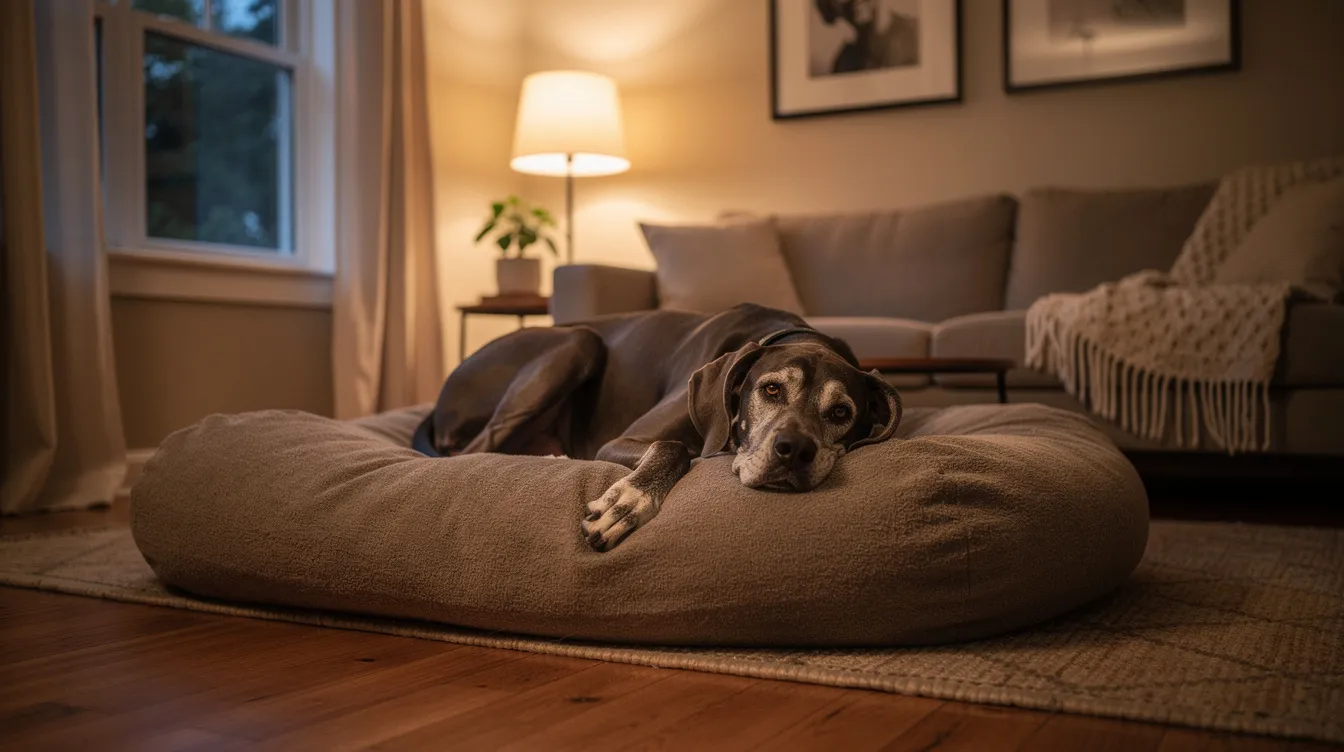
Orthopedic bedding for healthy skin and joint support
-
A vehicle large enough to transport a dog their size
-
Non-slip flooring to protect growing joints
Exercise Needs
Great Danes require around 20–40 minutes of daily exercise at minimum, though most benefit from 45–90 minutes of moderate activity. Walks, gentle play, and obedience training games keep them mentally and physically fit. At least one hour of combined activity across the day is ideal. Avoid chronic over-exertion that stresses joints and heart.
Climate Sensitivity
Their short coat and low body fat make Danes sensitive to cold-they need indoor living and coats in winter. In summer, provide shade and water to avoid heatstroke, and skip midday walks in hot, humid weather.
Living with Other Animals
Introduce a new Dane to resident cats and smaller dogs gradually, with supervision. Many Danes coexist peacefully with family pets when introduced at an early age. Never leave vulnerable animals unsupervised with a new Dane until trust is established.
Common household realities: Great Danes drool-on walls, clothes, and furniture. Their powerful tails clear coffee tables. Counter surfing is an art form for them. Early manners training is non-negotiable.
This dog breed great dane suits home-oriented people who are patient, physically capable of handling a large dog, and financially prepared for giant-breed costs. They are family pets at heart, not backyard-only dogs, and they need daily human contact to thrive.
Breeding Great Danes & Choosing a Responsible Breeder
Breeding great danes is complex, expensive, and should only be undertaken by experienced, health-focused breeders-not casual owners looking for a litter of puppies.
What ethical breeding involves:
-
Health testing both parents before breeding
-
Temperament assessment and adherence to breed standards
-
Limited, well-planned litters with lifetime breeder support
Specific tests reputable breeders perform:
-
Hip and elbow scoring (radiographs)
-
Cardiac exams via echocardiogram to detect DCM
-
Thyroid panels
-
Eye exams for hereditary conditions
-
Genetic testing for merle gene and other inherited mutations
Finding a good breeder: Start with national breed clubs like the Great Dane Club of America, kennel club breeder lists, and referrals from experienced Great Dane owners. Visit in person, meet the mother (and ideally the father), observe the dogs' temperament, and ask for health clearances. Breeding programs that prioritise health over colour trends or extreme size produce healthier, longer-lived dogs.
Red flags to avoid: Puppy mills, brokers, and online-only sellers who refuse visits, don't discuss health issues, or breed solely for rare colours. These operations prioritise profit over the breed's welfare.
Pricing varies by region but should reflect health testing, first vaccinations, microchipping, contracts, and ongoing breeder support. If the price seems too good to be true, it usually is.
For those open to adult dogs, adoption from Great Dane rescue groups is a wonderful option. Rescues evaluate temperament and can match dogs to homes with kids and other pets.
Great Danes vs Other Breeds
Considering a Great Dane alongside other breeds? Here's how they stack up against popular alternatives:
-
English Mastiffs: Mastiffs are heavier and stockier but shorter. Danes are taller, more agile, and generally more active. Both share shorter lifespans and higher care costs.
-
Irish Wolfhounds: Similar height, but Wolfhounds are lighter and rangier. Danes are more solidly built and often more people-oriented indoors.
-
Newfoundlands: Newfs have heavy, long coats requiring significant grooming. Danes need minimal grooming but produce more drool.
-
Dobermans: Dobermans are smaller, higher-energy working dogs. Danes offer a calmer indoor presence with bigger-dog security.
Most giant breed dogs share shorter lifespans and elevated health costs compared to smaller breeds. Great Danes stand out for their gentle temperament, famous lap-dog tendencies, and willingness to adapt to indoor family life-think Scooby Doo, not guard-dog aggression.
Why families choose a Great Dane over smaller breeds often comes down to presence: that regal appearance, the calm energy, and the undeniable bond these dogs form with their people. But be honest about your space, budget, and physical ability before committing.
FAQ About Great Danes
Are Great Danes suitable for first-time dog owners?
Motivated first-time owners can absolutely succeed with Great Danes-provided they commit to early obedience training classes, consistent boundaries, and close collaboration with a vet and experienced trainer. That said, their sheer size, strength, and potential health issues make them more demanding than many other dogs. If you're a nervous handler, consider gaining experience with a smaller breed first, then graduating to a Dane.
Can Great Danes live in an apartment?
Despite being one of the tallest large breed dogs, Great Danes' calm indoor nature makes apartment living possible if they receive two to three quality walks daily and mental enrichment at home. Consider practical factors: elevator access (stairs are tough on giant joints), robust flooring, tolerant neighbours, and nearby green space for toileting and off-lead play.
How much do Great Danes eat and cost to keep?
An adult Great Dane may eat 6–10 cups of quality dog food daily, depending on the dog's age, activity level, and brand. Beyond food, expect higher costs for larger medication doses, oversized beds and crates, higher insurance premiums, and budgeting for potential major health issues like bloat surgery or cardiac care. They are not a budget-friendly breed.
Do Great Danes get along with cats and small animals?
Many Great Danes live peacefully with cats and small pets when introduced as puppies and supervised carefully during the adjustment period. However, some individuals retain prey drive inherited from their hunting dog ancestors. Use controlled introductions, provide escape routes for the cat, and never leave vulnerable animals unsupervised with a new Dane until you're confident in their behaviour.
What age is considered senior for a Great Dane, and how should care change?
Great Danes are often considered seniors from about 6–7 years, much earlier than many other breeds due to their shorter lifespan. Adjustments should include more frequent vet checks (every six months), joint-supportive dog food formulations, softer orthopedic bedding, shorter but more frequent walks, and close monitoring for subtle signs of pain, stiffness, or heart disease. Maintaining healthy skin and coat through proper nutrition becomes increasingly important as they age.
0 comments